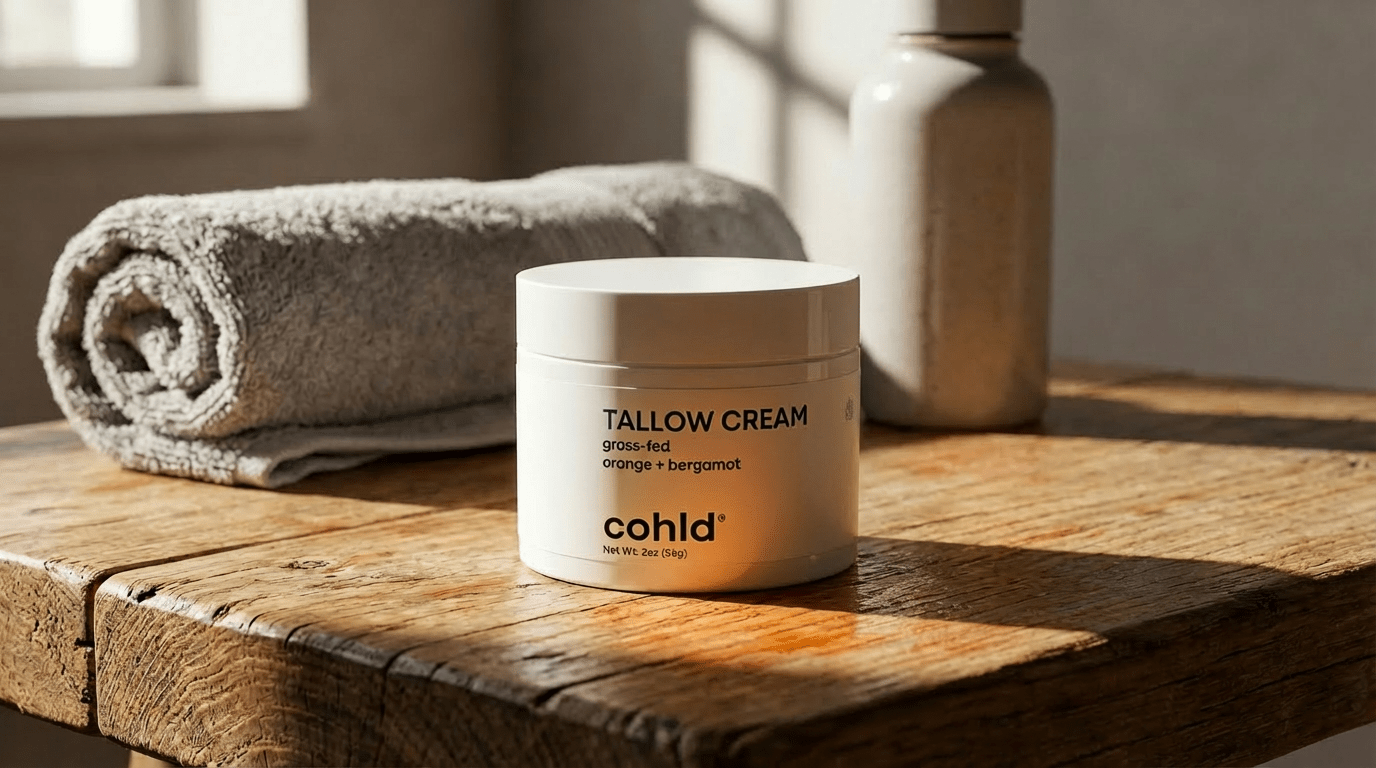

Tallow skincare uses rendered animal fat, typically from cattle, as a moisturizer for your face and body. This traditional ingredient contains fatty acids and vitamins that closely match your skin's natural composition, making it absorb easily and support your skin barrier function. The practice dates back centuries but has recently gained attention as people seek alternatives to synthetic lotions.
You might wonder how tallow compares to common moisturizers like shea butter or coconut oil, or whether it will cause breakouts on acne-prone skin. The effectiveness of tallow depends on its source, with grass-fed options offering different nutrient profiles than grain-fed versions. Understanding these distinctions helps you decide if tallow-based products fit your skincare routine.
This guide examines what makes tallow unique for skin health, addresses concerns about pore clogging and acne, and explains how to choose quality products. You'll learn practical application methods and how tallow performs against other popular moisturizing ingredients.
Origins and Composition of Tallow
Tallow is rendered fat from cattle or sheep, processed through heating to separate pure fat from tissue. Its molecular structure and nutrient density depend heavily on the animal's diet and how the fat is processed.
Animal Sources and Production Methods
Tallow comes primarily from beef cattle, though sheep tallow (mutton tallow) is also used in skincare. The rendering process involves heating animal fat tissue at controlled temperatures to melt and separate the fat from proteins and water.
Traditional rendering uses low heat over several hours, which preserves more nutrients. Modern commercial rendering often uses higher temperatures for efficiency, but this can degrade heat-sensitive vitamins. The fat typically comes from areas around the kidneys (suet) or from general body fat deposits.
Key rendering methods include:
- Dry rendering: Heat applied directly without water, faster but risks nutrient loss
- Wet rendering: Fat heated in water, gentler and preserves more vitamins
- Low-temperature rendering: Slow heating under 250°F, optimal for skincare applications
After rendering, the liquid fat is filtered and cooled into a solid form. Quality varies based on filtration methods and whether the fat underwent bleaching or deodorizing processes.
Nutritional Profile Relevant to Skincare
Tallow contains approximately 50-55% saturated fats, 40-45% monounsaturated fats, and small amounts of polyunsaturated fats. This composition closely mirrors human sebum, which is why your skin can absorb and utilize it effectively.
The fat-soluble vitamins present include vitamins A, D, E, and K. Vitamin A supports cell turnover and skin repair. Vitamin D aids in skin cell growth and immune function. Vitamin E provides antioxidant protection. Vitamin K helps with skin healing and may reduce inflammation.
Tallow also contains conjugated linoleic acid (CLA), palmitoleic acid, and stearic acid. These fatty acids support your skin barrier function and provide antimicrobial properties. The specific ratios of these compounds affect how the tallow performs on your skin.
Grass-Fed vs Grain-Fed Tallow
Grass-fed tallow contains 3-5 times more vitamin K2 than grain-fed versions. It also has higher concentrations of omega-3 fatty acids and CLA, which provide anti-inflammatory benefits for your skin.
The color difference is visible: grass-fed tallow appears more yellow due to higher beta-carotene content from the animal's diet of fresh grass. Grain-fed tallow is typically whiter because corn and soy contain minimal carotenoids.
Nutrient comparison:
| Component | Grass-Fed | Grain-Fed |
|---|---|---|
| Vitamin K2 | High | Low |
| Omega-3 |
1:2 to 1:3 | 1:5 to 1:7 |
| CLA content | 3-5x higher | Baseline |
| Beta-carotene | Present (yellow tint) | Minimal (white) |
The improved fatty acid profile in grass-fed tallow means better anti-inflammatory properties for conditions like eczema and rosacea. Your skin may respond differently to each type based on these compositional differences.
Unique Skin Benefits of Tallow
Tallow provides your skin with bioavailable nutrients and fatty acids that mirror your skin's natural sebum composition. This structural similarity allows for enhanced compatibility and absorption compared to many plant-based alternatives.
Skin Barrier Support
Your skin barrier relies on lipids to maintain its protective function, and tallow contains a fatty acid profile that closely matches your sebum. The ratio of saturated to unsaturated fats in grass-fed tallow typically ranges from 50-55% saturated to 40-45% unsaturated, which supports barrier repair.
Tallow supplies palmitic acid (26-32%), stearic acid (20-25%), and oleic acid (37-43%). These fatty acids integrate into your stratum corneum to strengthen intercellular lipid layers.
When your barrier is compromised from environmental damage or over-cleansing, tallow's lipid content helps restore protective function. The presence of conjugated linoleic acid (CLA) in grass-fed varieties provides additional support for barrier integrity.
Moisture Retention Properties
Tallow functions as an occlusive agent that reduces transepidermal water loss (TEWL) by forming a protective layer on your skin surface. Unlike lighter oils that evaporate quickly, tallow's molecular weight and composition create lasting moisture retention.
The stearic and palmitic acids in tallow provide emollient properties that soften skin texture while preventing moisture escape. Your skin absorbs these fatty acids without leaving a greasy residue when properly formulated.
Tallow contains approximately 2-3% palmitoleic acid, an omega-7 fatty acid naturally present in youthful skin but declining with age. This component supports your skin's ability to maintain hydration levels throughout the day.
Anti-Inflammatory Effects
Tallow contains fat-soluble vitamins that address inflammatory skin responses. Vitamin A in tallow (retinol) supports cellular turnover and reduces inflammatory markers. Vitamin E functions as an antioxidant that neutralizes free radicals contributing to inflammation.
Grass-fed tallow provides vitamin K2, which helps reduce skin redness and supports blood vessel integrity beneath your skin surface. The conjugated linoleic acid present in grass-fed varieties shows anti-inflammatory activity in dermal tissue.
These compounds work together to calm reactive skin conditions. Your skin receives these nutrients in their natural, bioavailable forms rather than synthetic isolates.
Nutrient Absorption
Your skin absorbs tallow's nutrients more efficiently than many synthetic or plant-based ingredients due to structural compatibility. The lipid profile matches your sebum composition, allowing nutrients to penetrate the epidermis effectively.
Fat-soluble vitamins (A, D, E, K) in tallow require lipid carriers for absorption, and tallow's fatty acid matrix provides this transport mechanism. Your skin cells recognize and utilize these nutrients without chemical conversion.
The bioavailability of tallow-derived vitamins exceeds many topical alternatives because they arrive in forms your skin naturally processes. This means you need smaller amounts to achieve visible results compared to products requiring chemical penetration enhancers.
Comparing Tallow With Popular Moisturizers
Tallow differs from conventional moisturizers in composition, absorption rate, and nutrient density. Understanding these distinctions helps you choose the right option for your skin type and concerns.
Differences Between Tallow and Lotion
Traditional lotions typically contain water as their primary ingredient, along with emulsifiers, preservatives, and synthetic compounds to maintain shelf stability. Tallow is a pure fat rendered from animal tissue, containing no water and requiring minimal to no preservatives when properly processed.
The nutrient profiles differ significantly. Tallow provides vitamins A, D, E, and K, plus conjugated linoleic acid (CLA) and palmitoleic acid. Most commercial lotions rely on isolated vitamins and synthetic additives rather than naturally occurring nutrient complexes.
Absorption patterns vary between the two. Water-based lotions often sit on your skin's surface longer and may require frequent reapplication. Tallow absorbs more readily because its fatty acid composition closely matches human sebum, allowing it to penetrate the skin barrier efficiently.
Key Comparison:
| Feature | Tallow | Conventional Lotion |
|---|---|---|
| Base | Pure fat | Water + emulsifiers |
| Preservatives | Minimal or none | Required |
| Reapplication | Less frequent | More frequent |
| Ingredient list | 1-3 ingredients | 15-30+ ingredients |
Tallow vs Shea Butter
Shea butter comes from the nuts of African shea trees and offers moisturizing benefits through oleic acid and stearic acid. Tallow contains a broader spectrum of fatty acids, including palmitic, stearic, and oleic acids in ratios similar to your skin's natural oils.
The vitamin content differs between these two natural moisturizers. Tallow provides fat-soluble vitamins A, D, E, and K2, while shea butter primarily offers vitamins A and E. Your skin uses vitamin D for cell growth and repair, making tallow's nutrient profile more comprehensive.
Texture and absorption also set them apart. Shea butter feels heavier and takes longer to absorb, particularly in its unrefined form. Tallow melts at body temperature and absorbs within minutes, leaving minimal residue on your skin's surface.
Tallow vs Coconut Oil
Coconut oil consists almost entirely of medium-chain fatty acids, particularly lauric acid at approximately 50% of its composition. Tallow contains a mix of saturated and monounsaturated fats that more closely mirror the lipid profile of human skin.
The comedogenic ratings differ significantly. Coconut oil scores 4 out of 5 on the comedogenic scale, meaning it frequently clogs pores and triggers breakouts in acne-prone individuals. Tallow scores between 2-3, making it less likely to block your pores when properly rendered and applied.
Antimicrobial properties exist in both options but function differently. Coconut oil's lauric acid provides antibacterial effects. Tallow contains conjugated linoleic acid and palmitoleic acid, which support skin barrier function and reduce inflammation rather than targeting bacteria directly.
Skin Concerns Addressed by Tallow
Tallow's fatty acid profile and nutrient composition make it relevant for several common skin conditions. Its compatibility with human skin biology allows it to work with sensitive, acne-prone, and eczema-affected skin in specific ways.
Tallow for Sensitive Skin
Your sensitive skin may respond well to tallow because its fatty acid composition mirrors your skin's natural sebum. This similarity means your skin recognizes tallow as compatible rather than foreign, reducing the likelihood of irritation.
Tallow contains vitamins A, D, E, and K in their fat-soluble forms. These nutrients support your skin's barrier function without the synthetic additives or fragrances that typically trigger sensitivity reactions.
The saturated fat content in tallow provides a protective layer on your skin without disrupting its pH balance. This protection helps shield sensitive skin from environmental stressors while allowing it to breathe and function normally.
If you have reactive skin, grass-fed tallow offers a simpler ingredient profile than many commercial moisturizers. Fewer ingredients mean fewer potential triggers for your sensitivity.
Suitability for Acne-Prone Skin
Tallow has a comedogenic rating of 2 on a scale of 0-5, meaning it has a low to moderate likelihood of clogging your pores. For comparison, coconut oil rates 4, while jojoba oil rates 2.
Your acne-prone skin produces sebum that may be imbalanced in fatty acid composition. Tallow's oleic and palmitic acid content can help regulate sebum production rather than add excess oil. The key is using it in small amounts.
The conjugated linoleic acid (CLA) in grass-fed tallow has anti-inflammatory properties that may reduce the inflammation associated with acne lesions. However, tallow is not a treatment for active acne breakouts.
You should apply tallow sparingly on acne-prone skin—a pea-sized amount for your entire face. Patch testing on a small area for several days helps you determine your skin's individual response.
Support for Eczema Relief
Eczema compromises your skin's barrier function, leading to moisture loss and inflammation. Tallow's saturated fats help repair this barrier by providing the building blocks your skin needs to restore its protective layer.
The vitamin A in tallow supports skin cell turnover and repair, which is particularly important for eczema-damaged skin. Vitamin E provides antioxidant protection that may help reduce inflammation in affected areas.
Your eczema-prone skin lacks certain lipids that tallow naturally contains. The stearic and palmitic acids in tallow match lipids found in healthy skin barriers, making it effective for moisturizing without aggravating sensitive eczema patches.
Many users with eczema apply tallow to damp skin immediately after bathing to lock in moisture. This method maximizes absorption and creates a protective seal over compromised areas.
Pore Health and Common Misconceptions
Tallow's effect on pores depends on its purity, sourcing, and your individual skin type. The substance has a low comedogenic rating, but understanding what that means helps you make informed decisions about whether it suits your skin.
Does Tallow Clog Pores?
Grass-fed beef tallow has a comedogenic rating of 2 on a scale of 0-5, meaning it has a low likelihood of clogging pores for most people. This rating places it below many conventional moisturizers and plant-based oils.
The molecular structure of tallow closely resembles human sebum, which allows it to absorb into your skin rather than sitting on the surface. When tallow remains on the skin's surface, that's when pore blockage becomes more likely.
Your skin type influences how tallow performs. If you have oily or acne-prone skin, you may need to use smaller amounts or apply it to damp skin for better absorption. People with dry or normal skin typically experience no pore-related issues with tallow application.
The quality of tallow matters significantly. Properly rendered, filtered tallow from grass-fed animals contains fewer impurities that could potentially block pores.
Comedogenic Ratings Explained
The comedogenic scale runs from 0 (won't clog pores) to 5 (highly likely to clog pores). Dermatologists developed this system by applying substances to rabbit ears and examining pore blockage.
Common skincare ingredients rated by comedogenic potential:
| Ingredient | Rating |
|---|---|
| Tallow | 2 |
| Shea Butter | 0-2 |
| Coconut Oil | 4 |
| Cocoa Butter | 4 |
| Jojoba Oil | 2 |
Ratings above 3 indicate a higher risk of causing comedones (blackheads and whiteheads). Your individual skin chemistry can override these ratings—some people tolerate high-rated ingredients without issues, while others react to low-rated ones.
Best Practices for Facial Application
Proper application technique and product layering determine how well tallow absorbs and performs on facial skin. The right approach prevents waste and maximizes the benefits of this nutrient-dense skincare option.
How to Apply Tallow Safely
Start with clean, slightly damp skin. Wet skin helps tallow spread more easily and lock in moisture.
Take a pea-sized amount and warm it between your fingertips for 5-10 seconds. This softens the balm and makes application smoother.
Apply using gentle upward motions, starting from your neck and moving to your forehead. Avoid tugging or pulling at delicate facial skin.
Key application tips:
- Use on damp (not soaking wet) skin
- Apply at night for deeper absorption
- Start with less product than you think you need
- Avoid the immediate eye area unless the product is specifically formulated for it
- Wait 2-3 minutes before applying makeup
If you have oily skin, focus application on dry patches rather than your entire face.
Layering With Other Products
Tallow works best as the final step in your skincare routine. Its occlusive nature seals in water-based products underneath.
Apply water-based serums and treatments first, then wait 30-60 seconds before applying tallow. This prevents diluting active ingredients.
Recommended layering order:
- Cleanser
- Toner or essence
- Water-based serums
- Tallow balm or cream
You can mix a small amount of tallow with facial oils for a lighter texture. Use a 1:1 ratio and blend in your palm before applying.
Avoid layering tallow under heavy silicone-based products, as this can trap oils and potentially cause breakouts.
Evaluating Ingredients in Tallow Products
Quality tallow skincare depends on both the base ingredient and what's added to it. The best formulations use minimal, purposeful ingredients that enhance tallow's natural benefits without compromising its effectiveness.
Essential Components in High-Quality Tallow Creams
The foundation starts with grass-fed tallow, which contains higher levels of vitamins A, D, E, and K compared to grain-fed alternatives. Look for products that list "grass-fed beef tallow" or "100% grass-fed tallow" as the first ingredient.
Premium tallow creams typically include 3-7 total ingredients. Common beneficial additions are jojoba oil, which closely mimics your skin's sebum, and vitamin E as a natural preservative. Some formulas incorporate essential oils like lavender or frankincense for scent and additional skin benefits.
Ingredients to prioritize:
- Grass-fed tallow (primary ingredient)
- Cold-pressed carrier oils (jojoba, olive, almond)
- Natural vitamin E (tocopherol)
- Beeswax (for structure)
- Therapeutic-grade essential oils (optional)
Avoid products with synthetic fragrances, parabens, or unnecessary fillers. These additions dilute tallow's effectiveness and increase the risk of skin irritation.
Comparing Tallow Balm and Cream Formulations
Tallow balms contain higher concentrations of tallow and beeswax, creating a firmer texture. They're ideal for targeted application on dry patches, eczema, or problem areas. Balms typically contain 70-90% tallow with minimal added oils.
Tallow creams incorporate more carrier oils and sometimes distilled water, resulting in a lighter, spreadable consistency. These formulations work better for full-face application and larger body areas. Cream formulas usually contain 40-60% tallow blended with complementary oils.
Water-based tallow creams require natural emulsifiers and preservatives to prevent separation and bacterial growth. Quality formulations use ingredients like cetyl alcohol (derived from coconut) and radish root ferment as safe preservatives. Pure oil-based products (balms) need fewer preservatives due to their inhospitable environment for bacteria.
Choosing the Right Tallow Product
Quality tallow products start with grass-fed sources and minimal ingredient lists, while proper selection accounts for your skin type and potential sensitivities.
Tips for Identifying Quality Brands
Look for products that explicitly state "grass-fed" or "100% grass-fed" on the label. Grass-fed tallow contains higher levels of vitamins A, D, E, and K2 compared to grain-fed alternatives.
Check the ingredient list carefully. The best tallow products contain three to five ingredients at most. You want to see tallow listed first, followed by complementary ingredients like jojoba oil, honey, or essential oils if scented.
Reputable brands provide information about their sourcing practices. They should tell you where their tallow comes from and how it's rendered. Cold-rendered or low-heat rendering preserves more nutrients than high-heat methods.
Key quality indicators include:
- Cream-colored or pale yellow appearance (pure tallow color)
- Mild, clean scent without chemical odors
- Firm texture at room temperature that melts easily when warmed
- Third-party testing results or certifications when available
Avoid products with long ingredient lists containing synthetic fragrances, parabens, or unnecessary fillers. These additions often mask lower-quality tallow or dilute the product's effectiveness.
Handling Sensitivities and Allergies
Start with a patch test before applying tallow to your face. Apply a small amount to your inner forearm and wait 24-48 hours to check for reactions.
True tallow allergies are rare since you're reacting to beef fat proteins. However, you might be sensitive to other ingredients mixed with the tallow. If you react to a multi-ingredient product, try pure tallow alone to identify the actual trigger.
Signs of sensitivity include:
- Redness or irritation within hours of application
- Itching or burning sensations
- Small bumps or rash development
If you have eczema or extremely sensitive skin, choose unscented tallow products first. Essential oils can irritate compromised skin barriers even when the tallow itself would help. You can always add your own tested oils later once your skin adjusts.
Summary of Tallow's Role in Skincare
Tallow is rendered animal fat, typically from cattle, that has been used in skincare for centuries. When applied to skin, it provides moisturization and delivers fatty acids that closely match your skin's natural composition.
The fat contains vitamins A, D, E, and K along with conjugated linoleic acid (CLA). These nutrients support skin barrier function and cellular repair. Grass-fed tallow contains higher concentrations of these beneficial compounds compared to grain-fed versions.
Key properties of tallow for skincare:
- Biocompatibility: Contains fatty acids similar to human sebum
- Absorption: Penetrates skin without leaving heavy residue
- Stability: Resists oxidation better than many plant oils
- Versatility: Works for multiple skin types and conditions
Tallow addresses various skin concerns including dryness, eczema, and inflammation. It does not clog pores despite being an animal fat, as it ranks low on the comedogenic scale. Some users report improvements in acne-prone skin, though individual results vary.
You can use tallow in multiple forms: pure rendered fat, whipped balms, or creams blended with other ingredients. Application methods range from using it as a moisturizer to targeted treatment for problem areas.
The ingredient compares favorably to conventional lotions by avoiding synthetic additives and preservatives. Unlike shea butter or coconut oil, tallow's fatty acid profile more closely resembles your skin's natural oils, which may explain why many users find it effective.