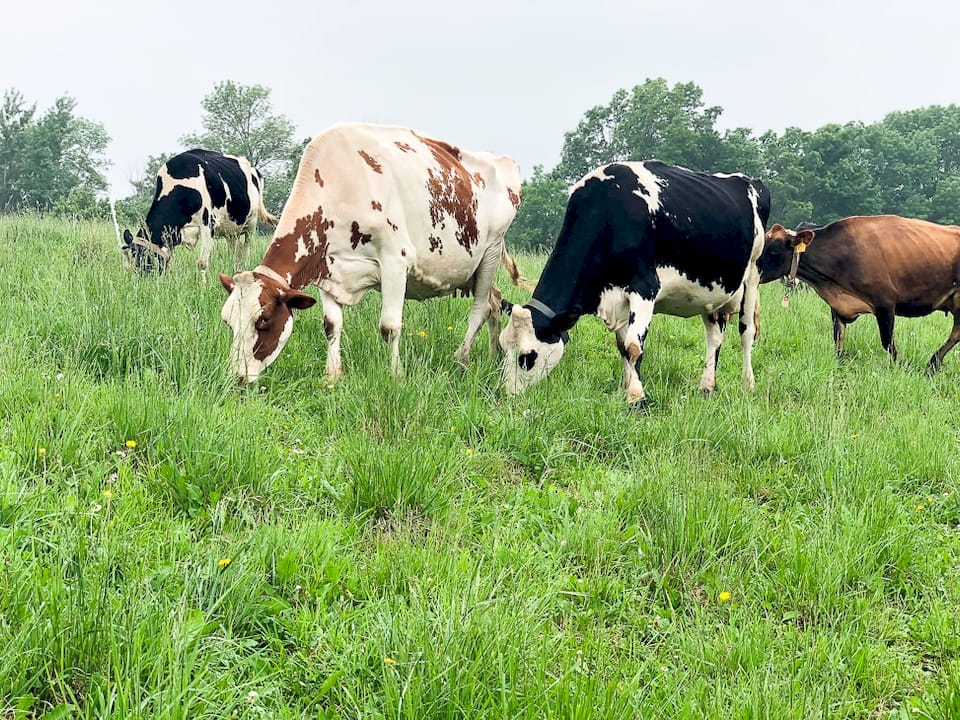

The supplement aisle — physical or digital — is flooded with “grass-fed” labels, but most consumers have no way to confirm whether those claims hold up. Marketing copy is not a nutrition strategy. If you care about what actually goes into your body, you already know that the label is just the starting point. This guide cuts through the noise by giving you a clear framework for evaluating grass-fed supplements in 2026, walking through the top product categories, comparing standout picks on the criteria that actually matter, and helping you match the right supplement to your specific wellness goals.
Table of Contents
- How to evaluate grass-fed supplements in 2026
- Top grass-fed supplement categories and picks for 2026
- Comparing the best grass-fed supplements: what stands out
- Choosing the right grass-fed supplement for your needs
- Why “clean” grass-fed supplements need more than just a label
- Explore top-rated grass-fed and clean supplements
- Frequently asked questions
Key Takeaways
| Point | Details |
|---|---|
| Proof over claims | Insist on third-party testing and published certificates when choosing grass-fed supplements. |
| Category matters | Select whey, collagen, colostrum, or organ complexes based on your specific health goals. |
| Transparency wins | Trust brands that clearly disclose sourcing and independent testing, not just those with flashy labels. |
| Comparison helps pick | Use comparison tables to evaluate top options for purity, transparency, and fit. |
| Long-term wellness focus | The best supplements enhance daily health routines—don’t settle for less than clean, verified quality. |
How to evaluate grass-fed supplements in 2026
The grass-fed claim is everywhere. On protein tubs, collagen sachets, organ capsules, and colostrum powders. But a claim printed on packaging means nothing without evidence behind it. The real benchmark for 2026 is whether a brand provides transparent testing and certification documentation you can actually verify, not just a marketing phrase.
A consistent standard for evaluating any grass-fed supplement is not just the grass-fed claim itself, but whether the product provides third-party testing evidence and whether review methodology includes independent lab screens and direct disclosure of certifications and Certificates of Analysis (COAs).
A COA is a document from an accredited, independent laboratory that confirms what is in a product and what is not. It shows protein content, amino acid profiles, heavy metal levels, microbial counts, and more. Brands that publish COAs openly are putting their formulas on the line. Brands that don’t are asking you to trust them blindly.
Here is what to look for when vetting any grass-fed supplement:
- Third-party COA availability: Can you find the actual lab report on the brand’s website or by request?
- Named certifications: Look for NSF Certified for Sport, Informed Sport, or USP verification — not vague “tested for quality” language.
- Sourcing specifics: Country of origin, farm practices, and whether animals are 100% grass-fed year-round or only partially.
- Ingredient list simplicity: Fewer ingredients with recognizable names signal a cleaner product.
- GMP-compliant manufacturing: Good Manufacturing Practice compliance means the facility meets FDA standards for production quality.
- No proprietary blends: Proprietary blends hide exact dosages. Clean brands list every ingredient with its precise amount.
“The difference between a trustworthy grass-fed supplement and a marketing exercise is documentation. If a brand cannot show you the lab results, assume they do not exist.”
For athletes or anyone subject to drug testing, the bar is even higher. For those individuals, banned-substance testing and heavy-metal screening matter more than any marketing claim. Programs like NSF Certified for Sport specifically test for over 270 substances banned by major sports organizations. That level of scrutiny is what separates serious clean-label brands from everyone else.
Pro Tip: Before buying any grass-fed supplement, search the brand name plus “COA” or “lab results.” If nothing comes up, that is a red flag worth taking seriously.
Top grass-fed supplement categories and picks for 2026
Understanding which category of grass-fed supplement you actually need is just as important as knowing how to vet one. Each type serves a distinct physiological purpose, and choosing the wrong category means spending money on something your body does not need most right now.
Grass-fed whey protein isolate
Whey protein isolate is the most processed form of whey, meaning the lactose and fat have been largely removed, leaving a product that is roughly 90% protein by weight. For muscle support, recovery, and body composition, it remains one of the most studied and effective options available. The grass-fed distinction matters here because cows raised on pasture produce milk with a more favorable fatty acid profile, including higher levels of conjugated linoleic acid (CLA), even in the isolated form.
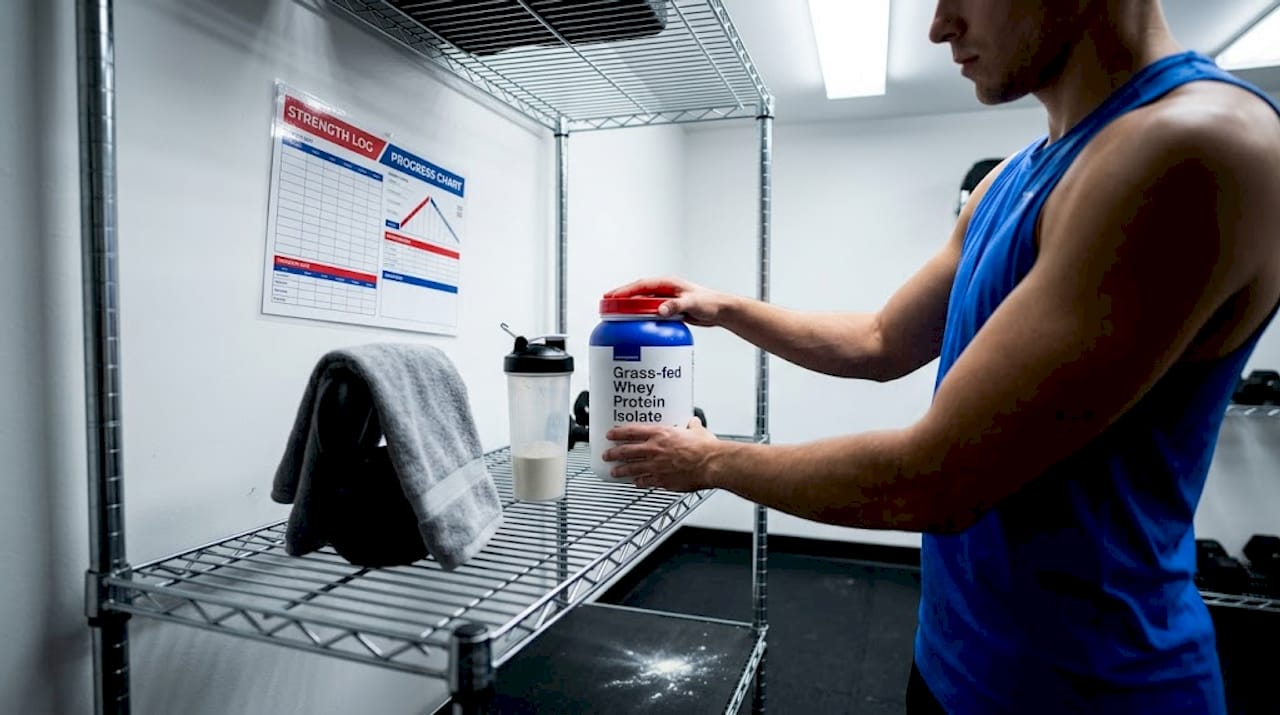
The top-ranked clean whey for 2026 according to Garage Gym Reviews is Transparent Labs 100% Grass-Fed Whey Protein Isolate, selected based on third-party lab verification and rigorous independent testing methodology. Its formula is straightforward: whey isolate, natural flavors, and stevia. No artificial sweeteners, no fillers, no unnecessary additives.
Grass-fed collagen hydrolysate
Collagen is the most abundant protein in the human body, forming the structural foundation of skin, joints, tendons, ligaments, and bones. Collagen hydrolysate (also called collagen peptides) is collagen that has been broken down into smaller chains of amino acids, making it easier for the body to absorb and use. Grass-fed sourcing matters here because it reflects better animal welfare and a cleaner overall ingredient profile.
For performance and clean-label standards, grass-fed collagen peptides are recognized as the top choice for supporting connective tissue health. Transparent Labs Grass-Fed Collagen Hydrolysate is listed by Garage Gym Reviews as the best clean collagen protein powder for 2026. If your goals include skin elasticity, joint comfort, or post-workout connective tissue recovery, collagen is the category to prioritize.
Colostrum for gut and immune support
Colostrum is the first milk produced by mammals after birth, and it is extraordinarily rich in immunoglobulins, growth factors, and bioactive compounds. Bovine colostrum from grass-fed, pasture-raised cows has become a serious player in the gut health and immune support space. The grass-fed colostrum benefits for gut lining integrity and immune modulation are well documented, and this is a category worth exploring if digestive resilience or seasonal immune support is a priority.
Organ complex supplements
Organ meats are among the most nutrient-dense foods in existence, providing concentrated amounts of B vitamins, iron, zinc, CoQ10, and fat-soluble vitamins A, D, E, and K. Grass-fed organ complex capsules essentially deliver ancestral nutrition in a modern, convenient format. They are not protein supplements in the traditional sense but rather nutrient-density tools.
Pro Tip: If you are already eating a reasonably clean diet but feel like you are missing micronutrients, a grass-fed organ complex is often more targeted than a standard multivitamin.
Comparing the best grass-fed supplements: what stands out
With the leading picks for each major category identified, it helps to see them side by side on the criteria that actually matter for clean-label shoppers.
| Supplement type | Third-party tested | Ingredient simplicity | Best for | Grass-fed sourcing verified |
|---|---|---|---|---|
| Whey protein isolate | Yes (COA + certification) | High (3-5 ingredients) | Muscle, recovery | Yes |
| Collagen hydrolysate | Yes (COA available) | Very high (1-2 ingredients) | Joints, skin, tendons | Yes |
| Colostrum | Varies by brand | Moderate | Gut health, immunity | Brand-dependent |
| Organ complex | Varies by brand | High (no fillers) | Micronutrient density | Brand-dependent |
What this table reveals is that whey and collagen are currently the most rigorously standardized categories when it comes to clean-label verification. The supplement options available in these two categories tend to have the most transparent testing practices, the simplest ingredient lists, and the clearest sourcing documentation.
Colostrum and organ complexes are growing categories with enormous potential, but they require more careful vetting because standardization is less consistent across brands. For those categories, the COA check and sourcing specifics become even more important.
Here is what separates the best picks from the rest in any category:
- Published COAs: Not just a claim of testing, but actual documents available to the public.
- Minimal processing aids: No magnesium stearate, silicon dioxide, or artificial flow agents unless clearly justified.
- Transparent amino acid profiles: For protein supplements, the full amino acid breakdown should be available.
- No proprietary blends: Every ingredient listed with its exact dose.
- Honest serving size math: Some brands inflate protein numbers by using deceptive serving sizes. The best brands do not play that game.
The nutrition options that rise to the top are consistently the ones where the brand has nothing to hide. Transparency is not just a marketing value. It is a functional signal of product quality.
Choosing the right grass-fed supplement for your needs
The best grass-fed supplement is the one that matches your actual health priorities, not the one with the most impressive packaging. Here is a practical framework for making that decision with confidence.
The right choice depends on whether you want muscle protein (whey), connective tissue proteins (collagen), immune and gut-focused bioactives (colostrum), or organ nutrient density from liver and organ complexes. Each category serves a different physiological system.
Follow these steps to make a confident, informed choice:
- Define your primary goal. Are you focused on muscle building and recovery, skin and joint health, gut resilience, or filling micronutrient gaps? Your goal narrows the category immediately.
- Research the brand’s testing practices. Visit the brand’s website and look for a COA page, lab results section, or third-party certification badges. If none exist, move on.
- Check the ingredient list. Count the ingredients. Fewer is generally better. Every ingredient should have a clear functional reason to be there.
- Confirm grass-fed sourcing specifics. Look for country of origin, farm practices, and whether the brand specifies 100% grass-fed versus “grass-fed and grain-finished,” which is a meaningful difference.
- Cross-check with independent reviews. Sites that conduct their own lab testing and publish methodology are more reliable than affiliate-only review sites that never test anything independently.
- Evaluate cost per serving, not cost per container. A $60 product with 40 servings is more expensive per use than a $50 product with 50 servings. Do the math before committing.
Pro Tip: To cross-check a supplement’s COA, look for the batch number on your product and match it to the batch number on the published lab report. If the numbers match, the testing is real and specific to what you received.
Use-case examples worth considering: if you train hard three to five days per week and prioritize recovery, grass-fed whey isolate taken post-workout is a practical, well-supported choice. If you are in your 30s or 40s and noticing joint stiffness or skin changes, grass-fed collagen peptides taken daily with vitamin C will give your connective tissue the building blocks it needs. If you have been through a course of antibiotics or deal with digestive irregularity, colostrum is worth a serious look. And if your diet lacks organ meats, a clean grass-fed organ complex can fill nutritional gaps that even a high-quality whole food diet often misses.
Why “clean” grass-fed supplements need more than just a label
Here is something most supplement guides will not say directly: the grass-fed label has become a marketing tool as much as a quality signal. That is not cynicism. It is just the reality of how fast the supplement market moves when a term gains consumer trust.
The honest benchmark for 2026 is not whether a product says grass-fed. It is whether the brand provides third-party testing evidence and discloses certifications and COAs that you can actually verify. That distinction matters enormously.
We have watched the supplement space evolve over the past several years, and the pattern is consistent. A term gains credibility, “organic,” “non-GMO,” “grass-fed,” and within a few product cycles, it appears on labels that do not necessarily meet the spirit of the original standard. The brands that hold the line are the ones that publish their testing, name their labs, and make their supply chain legible to anyone willing to look.
What most consumers miss is that “grass-fed” is not a federally regulated term for supplements the way “USDA Organic” is for food. That means any brand can technically use it without meeting a defined standard. The only real protection you have is demanding documentation. A COA from an accredited lab is harder to fake than a label claim.
The long-term value of choosing a truly transparent brand goes beyond any single product. When you find a brand that publishes its testing, names its sources, and does not hide behind proprietary blends, you are building a relationship with a company that respects your intelligence. That is worth paying a slight premium for, because the alternative is spending money on products that may not deliver what they promise.
Our commitment at Cohld is grounded in exactly that principle. Explore why we built the brand around sourcing integrity and what that means in practice for every product we offer.
Explore top-rated grass-fed and clean supplements
You now have the framework to evaluate, compare, and choose grass-fed supplements with real confidence. The next step is finding a source you can trust to back every product with the transparency you deserve.
At Cohld, every product in our grass-fed supplement catalog is sourced from pasture-raised animals, manufactured in GMP-compliant US facilities, and formulated without synthetic fillers or artificial additives. Whether you are starting with our collagen peptides for joint and skin support or exploring gut health support through clean colostrum, you will find the sourcing details and testing documentation you need to make an informed choice. Clean nutrition should not require a leap of faith.
Frequently asked questions
What does “grass-fed” really mean on a supplement label?
Grass-fed means the source animals primarily consumed grass, but rigorous brands back this with clear supply chain details and documentation. Without third-party testing evidence and COA disclosure, the term alone carries limited assurance.
Why is third-party lab testing important for supplements?
Third-party lab testing confirms that what is on the label is actually in the product, and that contaminants like heavy metals are within safe limits. The top-ranked clean whey products in 2026 are distinguished precisely by this level of independent verification.
Which grass-fed supplement is best for muscle building?
A grass-fed whey protein isolate is the strongest choice for muscle support, offering a complete amino acid profile with high leucine content to trigger muscle protein synthesis. Transparent Labs 100% Grass-Fed Whey Protein Isolate is the top clean protein pick for 2026 based on independent lab verification.
How can I verify if a supplement is truly third-party tested?
Look for publicly available Certificates of Analysis on the brand’s website, matched to the specific batch number on your product. Credible brands meet the COA and certification disclosure standard that independent reviewers use as their primary vetting benchmark.
Is grass-fed collagen better for skin and joints?
Yes. Grass-fed collagen hydrolysate provides the amino acids glycine, proline, and hydroxyproline that directly support skin elasticity and joint cartilage. Transparent Labs Grass-Fed Collagen Hydrolysate is recognized as the best clean collagen protein powder for 2026 by rigorous independent review.