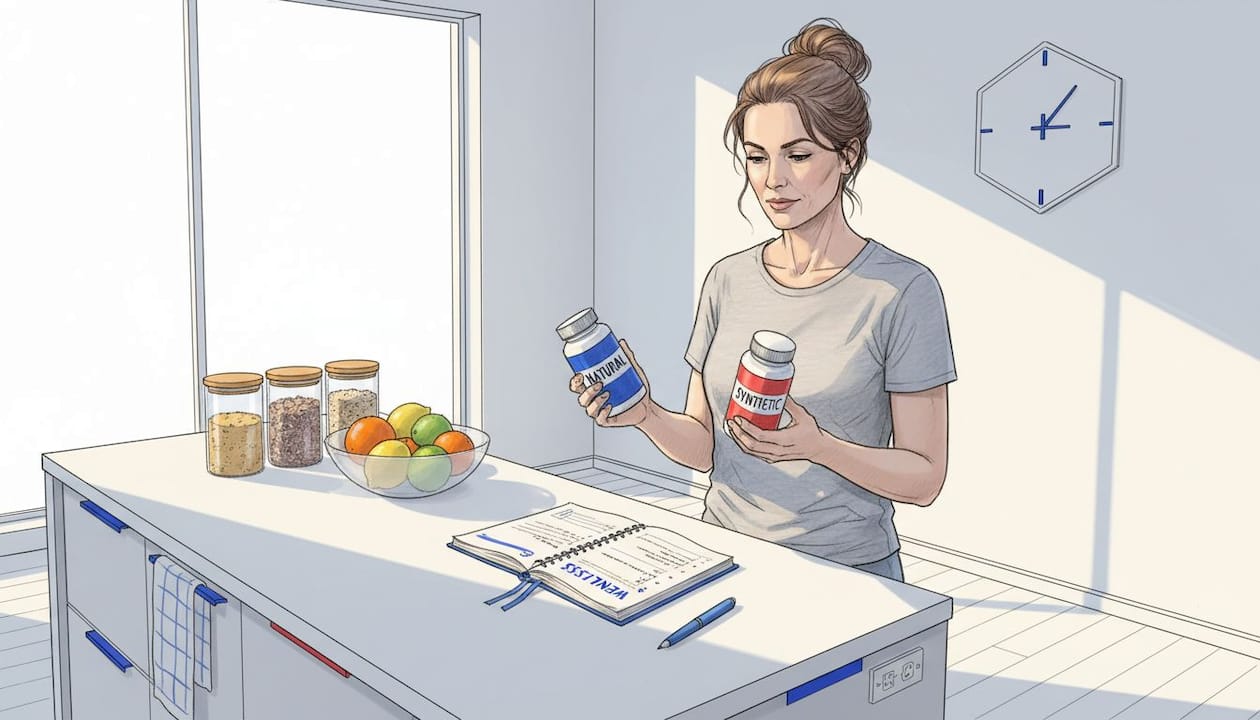

Not every supplement on the shelf deserves a place in your cabinet. The natural supplement list has grown so large that most consumers cannot tell the difference between a product backed by clinical evidence and one backed by a marketing budget. Between synthetic fillers, questionable sourcing, and wildly variable bioavailability, choosing natural health products that actually deliver is harder than it should be. This guide cuts through the noise with criteria, evidence, and specific picks so you spend money on supplements that earn their place.
Table of Contents
- How to evaluate natural supplements: criteria for quality and safety
- Top natural supplements with strong evidence and ancestral roots
- Comparing top natural supplements: benefits, safety, and usage
- Choosing supplements for your lifestyle: targeted recommendations
- An insider’s viewpoint: the realities of natural supplements in 2026
- Discover clean, high-quality natural supplements and skincare at Cohld
- Frequently asked questions
Key Takeaways
| Point | Details |
|---|---|
| Prioritize evidence | Choose supplements backed by strong clinical research to ensure benefits and safety. |
| Verify certification | Look for USP, NSF, or ConsumerLab seals and confirm on official sites for true quality. |
| Check personal needs | Use blood tests to identify deficiencies before starting supplements to avoid unnecessary intake. |
| Whole foods first | Supplements are meant to fill gaps, not replace a balanced diet full of nutrient-rich foods. |
| Beware overhyped products | Avoid supplements with weak evidence or safety concerns like Kratom and St. John’s Wort. |
How to evaluate natural supplements: criteria for quality and safety
Before you spend a dollar on any supplement, you need a framework. The natural supplement list is enormous, but the number of products that clear a proper quality bar is much smaller. Start with certification. Third-party certifications from USP, NSF, or ConsumerLab are your first line of defense. These organizations independently test for purity and potency, and their seals are not handed out freely.
Certification matters especially because supplements require no FDA pre-market approval. Manufacturers are responsible for their own safety claims, which means the burden of verification falls on you. This is not a reason to avoid supplements entirely. It is a reason to verify before you buy.
Here is what to check when evaluating any supplement:
- Third-party seal: Look for USP, NSF International, or ConsumerLab certification on the label.
- Ingredient sourcing: Grass-fed, pasture-raised, or wild-caught sources signal higher nutrient density and cleaner inputs.
- Bioavailability form: Not all forms of a nutrient absorb equally. Magnesium glycinate absorbs better than magnesium oxide. Chelated minerals outperform their inorganic counterparts.
- Filler audit: Scan the “Other Ingredients” section for synthetic binders, artificial dyes, or hormone disruptors.
- GMP compliance: Good Manufacturing Practice certification confirms the facility meets federal production standards.
Understanding your personal needs matters just as much as reading labels. If you are choosing truly natural supplements without knowing your actual deficiencies, you are guessing. A basic blood panel for vitamin D, B12, and magnesium can tell you exactly where gaps exist before you spend a cent.
Pro Tip: Run a blood test before building any supplement routine. Supplementing nutrients you already have in adequate amounts is not neutral. In some cases, particularly with fat-soluble vitamins like A, D, and K, excess accumulates and causes harm.
With clear criteria in mind, let’s explore the top natural supplements that meet these quality and safety standards.
Top natural supplements with strong evidence and ancestral roots
Not all popular supplements deserve their status. The following picks come from the tier-1 category of the most evidence-ranked supplements in 2026, meaning they have consistent clinical support, not just compelling testimonials.
- Vitamin D3: The single most common deficiency in American adults. Supports bone density, immune regulation, and mood. Take with vitamin K2 to ensure calcium goes to bones, not arteries.
- Omega-3 fatty acids (EPA/DHA): Cardiovascular, joint, and brain support backed by decades of research. Fish oil or algae-based are the cleanest sources.
- Magnesium glycinate: Supports sleep quality, muscle relaxation, and blood sugar metabolism. The glycinate form is the most absorbable and gentlest on digestion.
- Creatine monohydrate: The most studied performance supplement in existence. Improves strength output, cognitive function, and cellular energy.
- Collagen peptides: Ancestrally derived from animal connective tissue. Supports skin elasticity, joint integrity, and gut lining.
- Ashwagandha (KSM-66): An adaptogenic herb from Ayurvedic tradition. Ashwagandha lowers cortisol and measurably reduces stress markers. Look for standardized root extract for consistent potency.
- Probiotics: Support digestion and gut-immune communication. Require refrigeration in most strains to maintain live culture counts.
For those interested in how these supplements support natural supplements for skin health, collagen peptides and vitamin C stand out as the most direct contributors.
When comparing options from a high-quality supplements collection, check that protein powders and collagen products specify grass-fed sourcing. The amino acid profile in grass-fed collagen is meaningfully richer in glycine and proline, the two amino acids most critical for connective tissue repair.
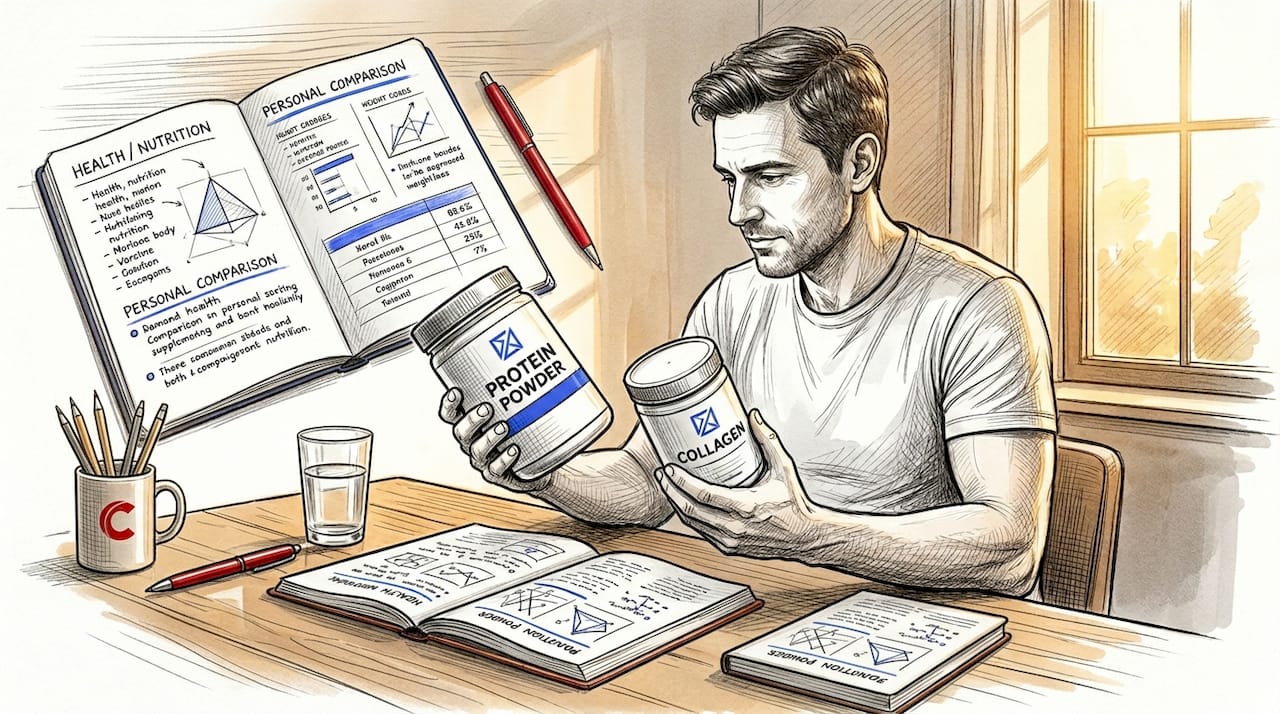
Pro Tip: Take fat-soluble supplements (D3, K2, omega-3) with your highest-fat meal of the day. Absorption increases significantly when bile production is already triggered by dietary fat.
Now that you’ve seen the individual supplements with strong backing, here’s a comparison to help you choose the best options for your wellness goals.
Comparing top natural supplements: benefits, safety, and usage
| Supplement | Primary benefit | Typical dose | Safety note | Certification tip |
|---|---|---|---|---|
| Vitamin D3 | Bone health, immunity | 1,000–5,000 IU/day | Pair with K2; test blood levels | USP or NSF verified |
| Omega-3 (EPA/DHA) | Heart, brain, joints | 1–3g combined EPA+DHA | Avoid if on blood thinners | IFOS certified fish oil |
| Magnesium glycinate | Sleep, muscle, metabolic | 200–400mg/day | Loose stool at high doses only with oxide form | Third-party tested |
| Creatine monohydrate | Strength, energy, cognition | 3–5g/day | Safe long-term; stay hydrated | Creapure brand validated |
| Collagen peptides | Skin, joints, gut | 10–20g/day | Derived from animal sources; verify grass-fed | GMP-certified source |
| Ashwagandha (KSM-66) | Stress, cortisol, recovery | 300–600mg/day | Avoid in pregnancy; check thyroid interactions | Standardized extract |
| Probiotics | Gut health, immunity | 10–50 billion CFU | Must be refrigerated; strain-specific | Refrigerated, live cultures |
Consumer Reports cautions that some supplements earn their reputation while others are genuinely overhyped. Two worth avoiding on any responsible natural supplement list: Kratom (linked to liver damage and addiction risk) and St. John’s Wort (interacts with antidepressants, contraceptives, and blood thinners in ways that can be dangerous).
Other practical usage notes for the best herbal remedies and supplements:
- Take probiotics away from antibiotics by at least two hours to prevent the antibiotic from killing the cultures.
- Collagen peptides absorb best post-exercise when tissue repair signaling is already elevated.
- Creatine does not require a loading phase. A consistent 3–5g daily dose reaches saturation within three weeks.
For a deeper look at what distinguishes clean from synthetic formulations, the clean supplement ingredients guide breaks it down ingredient by ingredient.
Beyond general comparison, understanding specific scenarios can help you best apply these supplements to your personal health routine.
Choosing supplements for your lifestyle: targeted recommendations
Supplement selection should match your actual goals, not a general wellness fantasy. Blood tests before supplementing are the only way to know whether vitamin D, B12, or magnesium are genuinely low in your system. This step alone eliminates a significant portion of unnecessary supplement spending.
Use these targeted recommendations to match your needs:
- For bone and immune health: Vitamin D3 with K2 if your blood test shows levels below 40 ng/mL.
- For heart health or low fish intake: Omega-3 fatty acids at 2g EPA+DHA daily, sourced from wild-caught fish or algae.
- For stress and burnout: Ashwagandha KSM-66 at 600mg. This is a support tool, not a replacement for sleep, therapy, or lifestyle change.
- For sleep and muscle recovery: Magnesium glycinate at 300–400mg taken 30–60 minutes before bed.
- For training performance and recovery: Creatine monohydrate plus collagen peptides. See supplements for athletic recovery for a full recovery protocol.
- For gut health: A refrigerated probiotic with multiple clinically studied strains (Lactobacillus acidophilus, Bifidobacterium longum) taken daily with food.
If you want to understand why sourcing and formulation matter as much as the ingredient itself, why clean supplements matter makes the case clearly.
Pro Tip: Protein powders only belong in your supplement routine if your daily food intake falls consistently short of 0.7–1g of protein per pound of bodyweight. Otherwise, real food sources like eggs, meat, and legumes deliver the same amino acids alongside nutrients no isolated powder can replicate.
Finally, let’s reflect on critical realities that shape the supplement landscape and how you can navigate them wisely.
An insider’s viewpoint: the realities of natural supplements in 2026
Here is the uncomfortable truth about this industry: the certification system works, but only if you use it correctly. Many consumers see a USP or NSF seal and assume the job is done. It is not. Independent lab tests frequently show that products fail to match their label claims even after certification claims appear on packaging. The correct step is to verify the lot number of the product you are holding directly on the certifier’s website. That takes 60 seconds and eliminates a large category of risk.
The other reality worth naming is that supplements and whole foods are not interchangeable. Whole foods deliver nutrients alongside fiber, phytochemicals, and co-factors that make absorption and utilization possible. A collagen supplement is useful. Bone broth with diverse vegetables does something a capsule simply cannot. Supplements fill gaps. They do not replace a nutrient-dense diet.
What the best brands do, and what sets them apart, is integrate modern science with natural supplement formulation. This means taking an herb with thousands of years of ancestral use and then running randomized trials to verify the mechanism, standardize the extract, and confirm a therapeutic dose. That combination of traditional knowledge and clinical validation is the standard worth holding every product to.
Discover clean, high-quality natural supplements and skincare at Cohld
Knowing what to look for is step one. Finding products that actually meet those standards is step two.

Cohld sources every supplement from grass-fed, pasture-raised animals and verifies products through US-based, GMP-compliant facilities. No synthetic fillers, no hormone disruptors, no guesswork on ingredient quality. The clean supplement products range includes collagen peptides, creatine, magnesium glycinate, and the Bedrock shilajit complex, each formulated with bioavailability in mind. If you want to explore a broader selection, the full vitamins and supplements catalog covers every category. The skincare line, including natural skin firming cream made with grass-fed tallow, extends the same purity standard to what you put on your body, not just in it.
Frequently asked questions
What certifications should I look for to ensure supplement quality?
Look for third-party certifications like USP, NSF, or ConsumerLab, which independently verify purity, potency, and safety before a product reaches consumers.
Should I take vitamin D supplements if I get some sun exposure?
Sun alone is often not enough. 42% of Americans are vitamin D deficient despite regular outdoor activity, so a blood test is the only reliable way to determine whether you actually need supplementation.
Are probiotics effective if I don’t refrigerate them?
Most live-culture probiotics lose roughly 50% of cultures without proper refrigeration, which directly reduces their therapeutic value.
Can supplements replace a healthy diet?
No. Supplements complement your diet rather than replace it. Whole foods deliver nutrients alongside cofactors and fiber that isolated supplements cannot provide.
Are multivitamins worth taking for most people?
The evidence is thin. Multivitamins are broadly overhyped and rarely justified for healthy adults eating a varied diet. Targeted supplements based on confirmed deficiencies deliver far better value.